Here's something the productivity industry doesn't want to admit: most planner apps are bad for your mental health. They're designed to squeeze more output from you, not to help you feel better.
The constant notifications. The red badges showing overdue tasks. The streaks that break if you dare take a day off. These aren't features. They're psychological pressure tactics.
But a new wave of apps is flipping the script. These mental health planner apps recognize that you're a human being, not a productivity machine. They help you get organized while actually supporting your wellbeing.
The mental health approach: Real mental health planners treat self-care as essential, not optional. They help you balance all areas of life, not just work. They celebrate what you accomplished instead of shaming what you didn't.
What Makes a Planner Mental Health-Friendly?
Not every "wellness" app actually supports mental health. Here's what to look for:
Life Balance, Not Just Task Lists
Your mental health depends on balance. An app that only tracks work tasks ignores relationships, hobbies, health, and rest. True mental health planners help you see the whole picture.
Positive Reinforcement
Some apps punish you for missing tasks. Mental health-focused apps reward you for what you do accomplish. The psychology is completely different.
Flexibility Without Guilt
Bad days happen. Mental health planners let you adjust without making you feel like a failure. They recognize that rigid planning often backfires.
Built-In Boundaries
The best mental health planners actively prevent overcommitment. They warn you when you're adding too much and encourage rest.
Best Mental Health Planner Apps
Free / $2.99 Pro
Funtasking
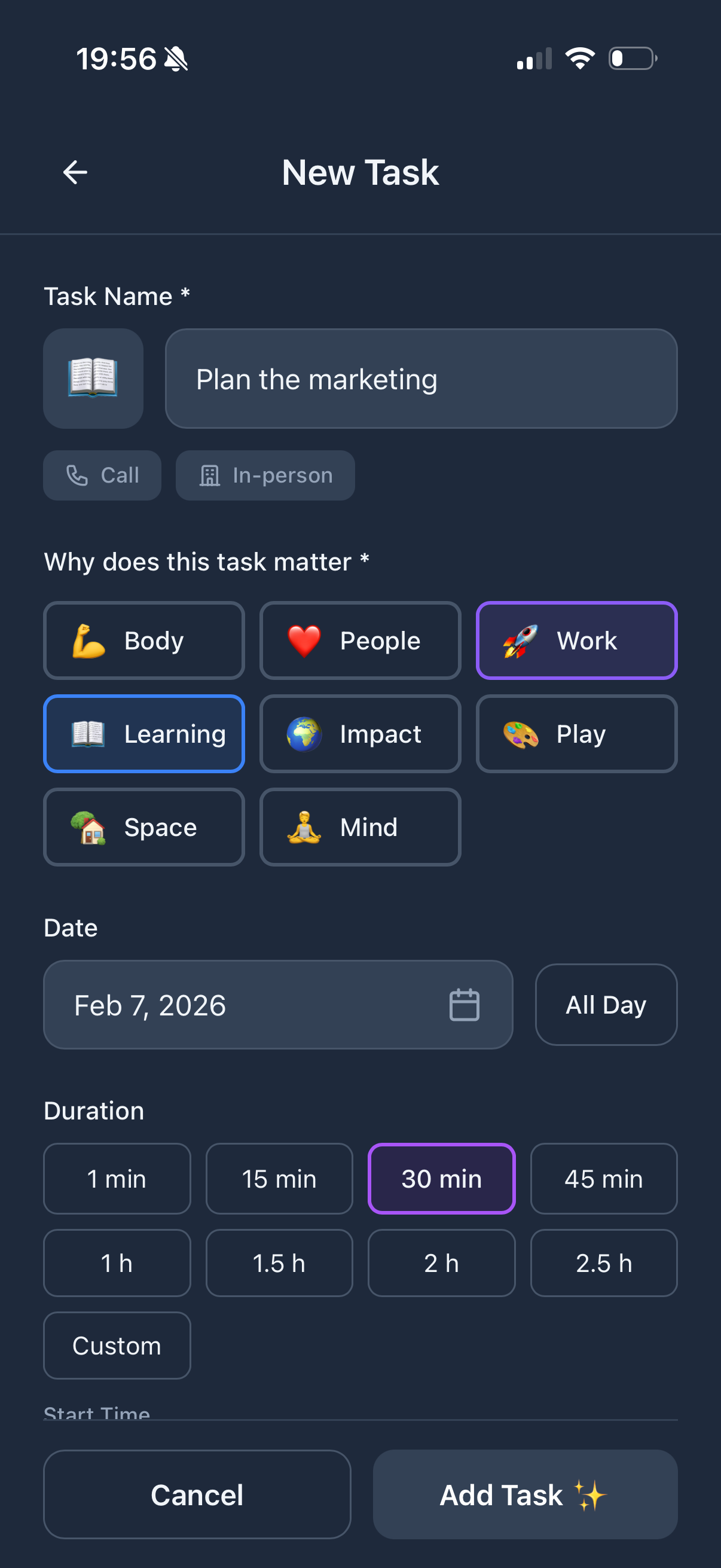
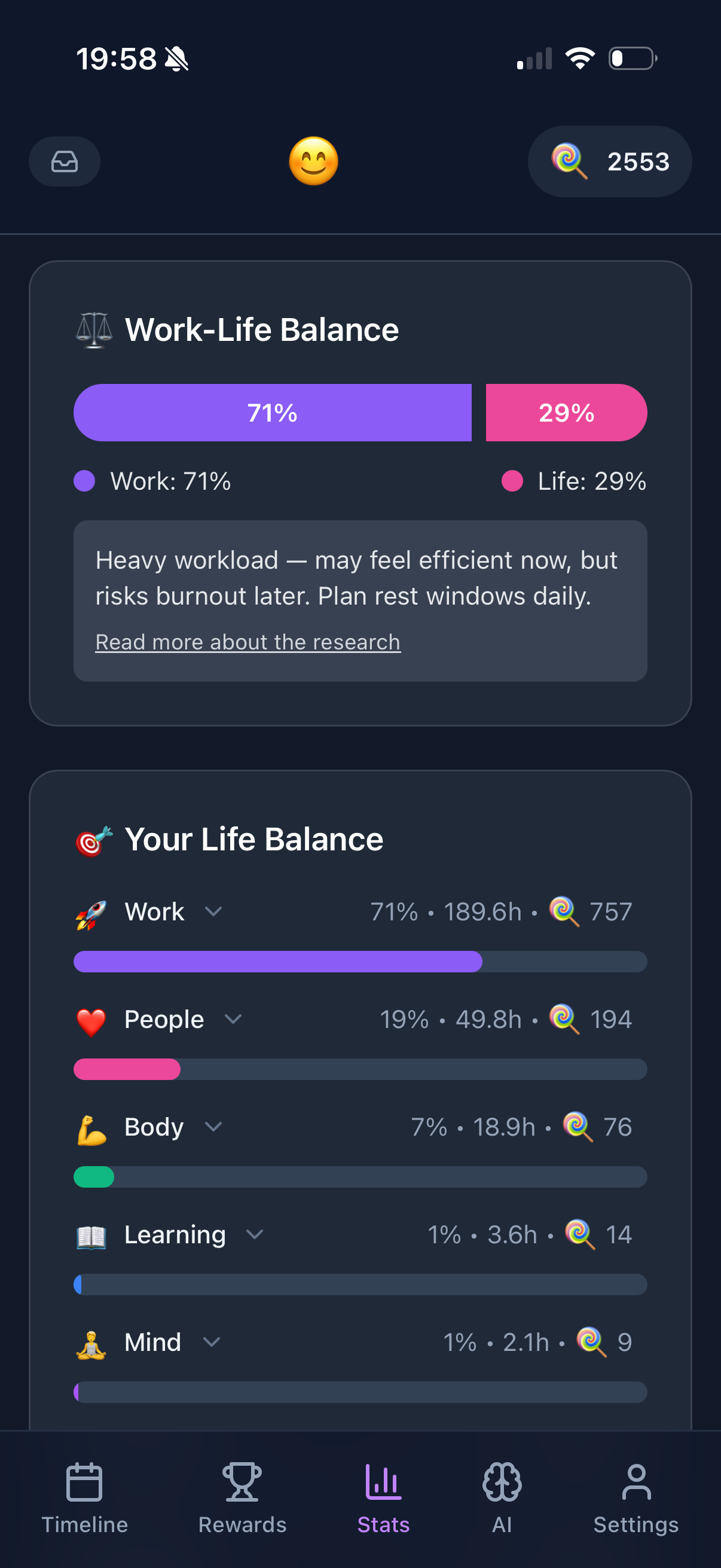
Funtasking was designed with mental health in mind from the beginning. Its Purpose Wheel divides your life into 8 balanced areas: career, health, relationships, creativity, learning, finances, fun, and personal growth. This visualization immediately shows where you're neglecting yourself.
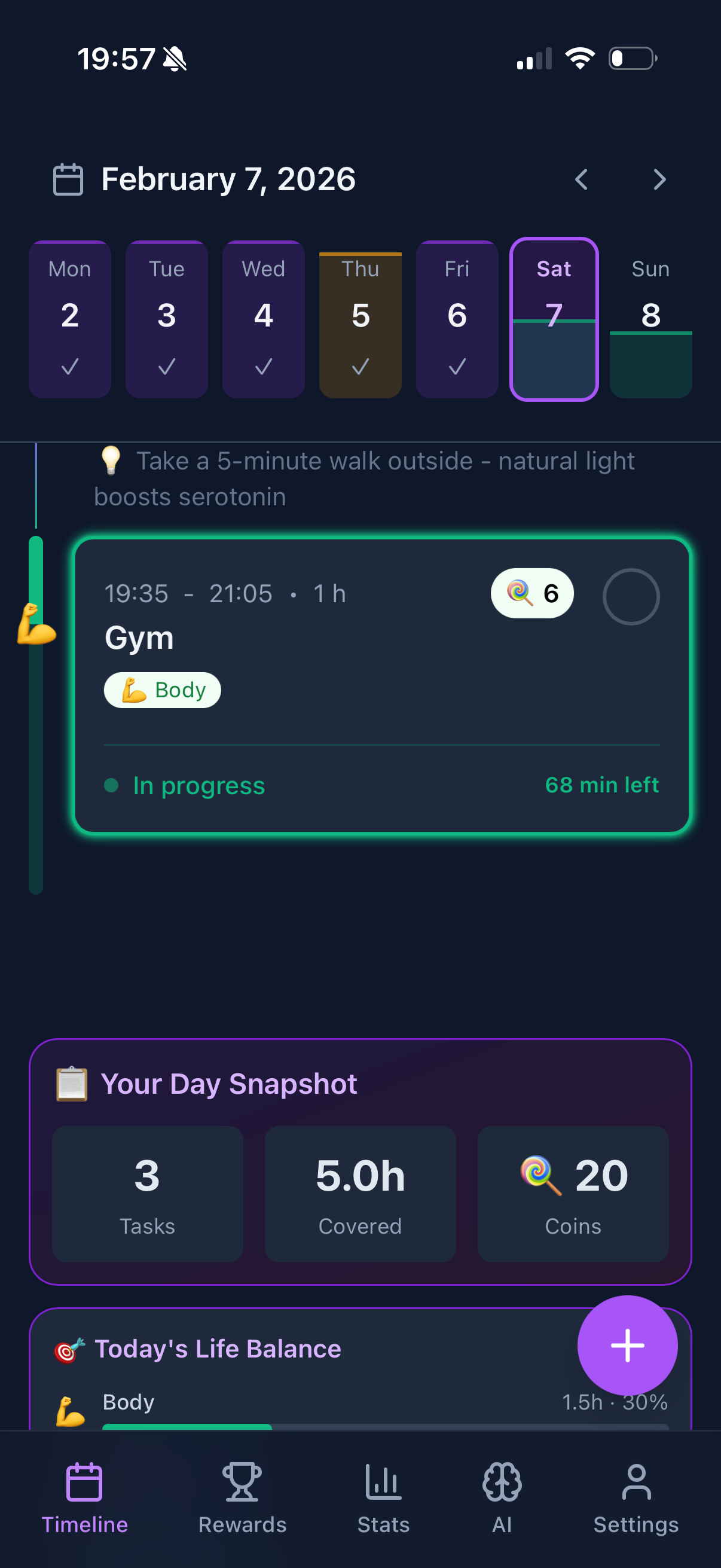
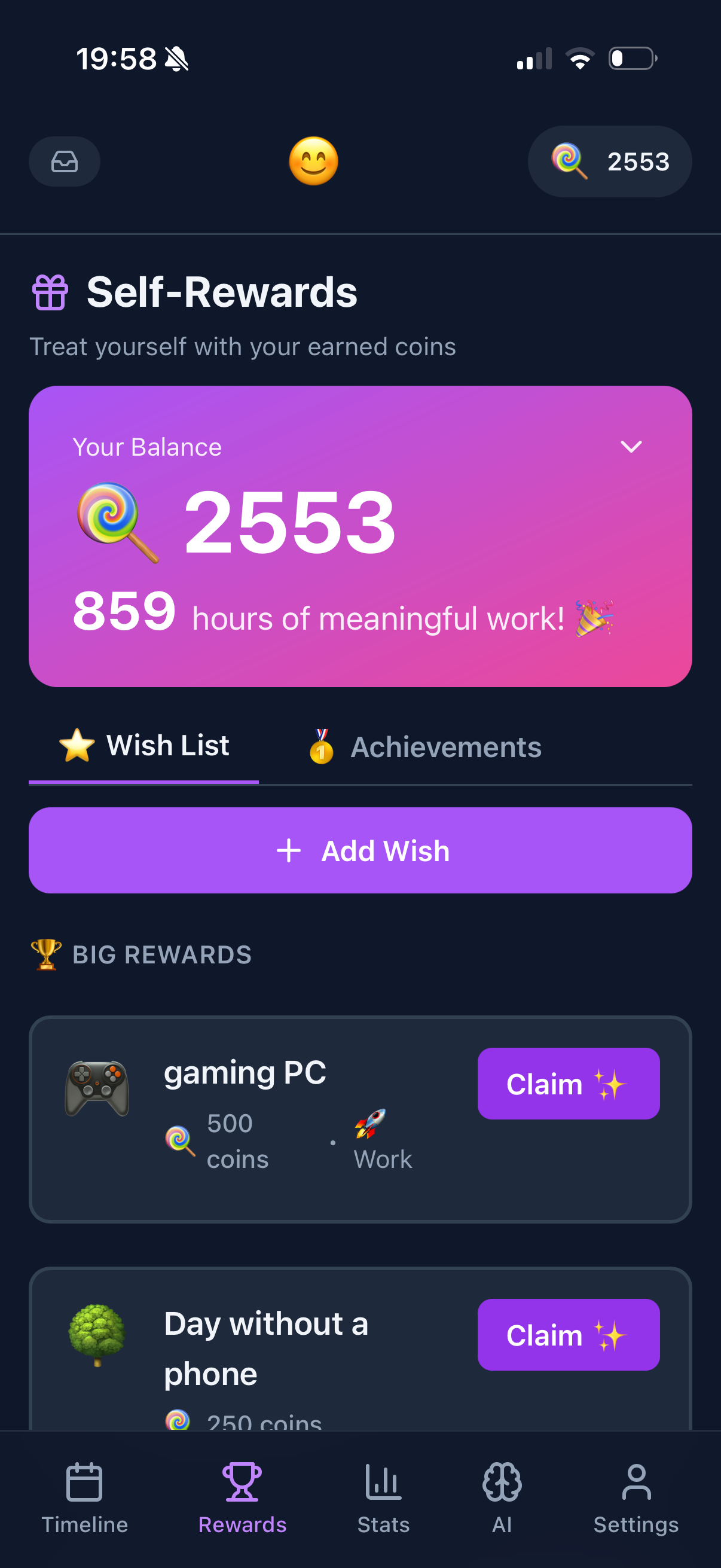
The app actively prevents burnout through its design. Gamification is positive only: you earn rewards for progress, but there's no punishment for taking a break. The app even includes burnout detection, warning you when your patterns suggest you're heading toward exhaustion.
Mental health features:
- + Purpose Wheel shows life balance
- + Burnout prevention system
- + Positive-only gamification
- + No streak guilt or punishment
Consider:
- - Not a clinical mental health tool
- - Balance-focused, not task-focused
- - iOS and web only for now
Free with IAP
Finch
Finch approaches mental health through the lens of a cozy pet-care game. You nurture a virtual bird by completing gentle self-care activities. The entire experience is designed to feel supportive and kind.
It includes mood check-ins, breathing exercises, and journaling prompts alongside task management. It's particularly good for people recovering from burnout or struggling with depression.
Mental health features:
- + Mood tracking built-in
- + Self-care focused tasks
- + Breathing and calming exercises
Consider:
- - Less effective for work tasks
- - Customization costs extra
- - May feel too childish for some
$9.99/month
Structured
Structured takes a visual approach to time blocking that many people find calming. You can see your entire day laid out, which reduces the anxiety of wondering what comes next.
It's clean and minimal, without the overwhelming features of complex project managers. Good for people who find visual organization soothing.
Mental health features:
- + Clear visual timeline reduces anxiety
- + Simple, not overwhelming
- + Easy to schedule breaks
Consider:
- - Subscription pricing
- - Less flexible for changing schedules
- - Apple ecosystem only
How Planning Supports Mental Health
Done right, planning can significantly improve your mental state:
Reduces Cognitive Load
Keeping everything in your head is exhausting. Externalizing tasks to an app frees up mental energy and reduces the constant background anxiety of forgetting something.
Provides Structure
Structure helps, especially during difficult mental health periods. Knowing what comes next can be grounding when everything feels chaotic.
Creates Accomplishment
Checking things off, even small things, creates a sense of progress. This is particularly valuable when depression makes everything feel pointless.
Reveals Patterns
Looking at what you've done over time can reveal patterns. You might notice you're consistently neglecting self-care or overworking during certain periods.
Important: Planner apps are tools for organization, not substitutes for mental health treatment. If you're struggling, please reach out to a mental health professional. These apps can support your wellness journey, but they're not therapy.
Planning Tips for Better Mental Health
Include Self-Care as Real Tasks
Put "take a walk" or "call a friend" on your list alongside work tasks. Self-care deserves the same priority as anything else.
Plan Recovery Time
After intense periods, schedule lighter days. Don't immediately fill recovered energy with more work.
Celebrate Consistently
Take a moment to acknowledge what you've done each day. Your brain needs positive feedback, not just completion checkmarks.
Adjust Without Judgment
When plans change, update them matter-of-factly. Don't add emotional weight to schedule adjustments.
Plan With Your Wellbeing in Mind
Funtasking helps you stay organized while supporting your mental health through life balance and positive reinforcement.
Try Funtasking Free
Related Articles